
Arpoador Collection
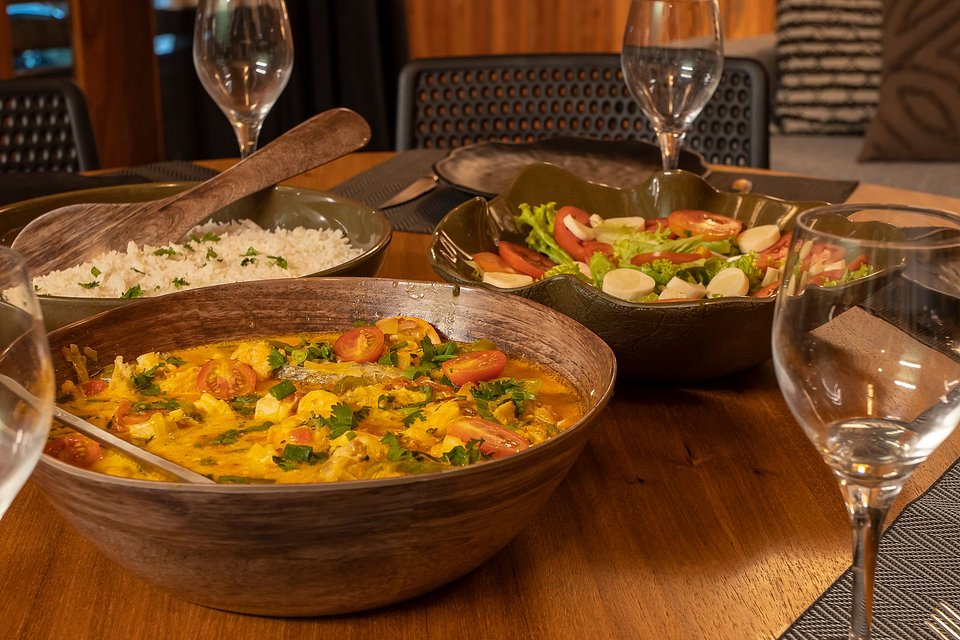
What to Eat in Arpoador, Brazil: Food by Boat and by Road
In Arpoador, food explains geography. This fishing village sits at the end of Alameda dos Velejadores, in Tutóia, Maranhão, between the dunes of the Pequenos Lençóis and the islands of the Parnaíba Delta. There is no paved road all the way in: the last 13 km run along the beach, by 4x4, on the tide's schedule. So everything that reaches the table arrives one of two ways: by boat, from the sea and the mangroves, or by road, through Tutóia. This guide covers what people eat here, where each thing comes from and when it tastes best. |
What arrives by boat
The day starts on the beach, where canoes and jangada rafts land whatever the tide allowed. Shrimp is the king of the season: white, pink and seabob shrimp, caught in the channels and in the estuary of Tutóia Bay. Fishing follows the state closed season, from January 1 to May 31, and the harvest opens in June, just as the lagoons of the Pequenos Lençóis reach full water.
It is no coincidence that the signature midyear dish is fresh shrimp, seared, with lime.
Fish come from the bay and from the 73 islands of the Parnaíba Delta, the natural nursery of this coast. A federal university survey (UFMA) recorded 100 fish species in the region's estuary. Among those that reach the table are tarpon (camurupim), snook, snapper, jack and sea catfish, almost always fried or grilled, with white rice and cassava flour.
From the mangroves comes the uçá mangrove crab. Harvesting stops during the "andada" windows, the breeding period protected by federal regulation on dates set each year between January and April. The rest of the year, crab is the late afternoon dish: cracked slowly, over conversation, in no hurry at all.
What arrives by road
Everything that does not come from the sea passes through Tutóia, the last supply stop before the final 13 km of beach. That is where the rice, the produce, the gas and the bread come from. And from the wider Pequenos Lençóis region comes one of the pillars of the Maranhão table: cassava flour.
Farinha d'água, made from cassava fermented in water before roasting, comes out of flour houses that keep a centuries old tradition alive in Maranhão. Across the Pequenos Lençóis, Barreirinhas is the state's largest cassava producer, and in the riverside hamlet of Tapuio, on the Preguiças River, the flour houses have even become a visitor route.
In Arpoador, farinha goes with everything: fish, shrimp, juçara.
From the palm trees of the wet lowlands comes buriti, a fruit with bright orange pulp that becomes sweets, juice and ice cream all over Maranhão. Alongside it come the seasonal fruits that Tutóia suppliers bring in by road.

The Maranhão table
Two classics explain why this kitchen is unlike any other coast. The first is arroz de cuxá. Cuxá is a sauce of vinagreira, a tart leafy green, pounded in a mortar with toasted sesame, dried shrimp and cassava flour. The name comes from the Tupi language and means something like "what keeps the sourness", and the dish brings Indigenous, African and Portuguese influences into a single mortar.
The second is juçara, the Maranhão name for açaí (Euterpe oleracea). Here it is not a smoothie bowl: it is served thick, with cassava flour and sugar, or alongside shrimp and fried fish. The harvest has been celebrated since 1970 at the Festa da Juçara in São Luís, between October and November.
One detail ties the table to the landscape. The carotenoids in the shrimp and in the fiddler crab, the same ones that color the plate, are what paint the scarlet ibises red as they cross the sky at dusk. Here, even the landscape eats well.
Where to eat in the village
Arpoador is small, and that is the experience: the cooks are locals, and the menu follows the day's catch. In the village, the route runs through Restaurante do Padinha, Café da Mata and Tomate. At Villa Cocar, dinner is served inside an oca, an immersion in the flavors and atmosphere of the place. On dune outings, lunch happens at the edge of Maceió Lagoon, with regional food prepared by local residents. Everywhere, the rule is the same: fresh product, simple recipes and the hands of people who know this territory.
.png)
When to come for the food
- June opens the shrimp season and finds the lagoons of the Pequenos Lençóis full.
- From July to January the trade wind blows at 18 to 30 knots, the season for kitesurfing followed by grilled fish.
- October and November are juçara months.
- At the turn of the year the village hosts Festival Duna, a New Year gathering from December 27 to January 1 for 300 guests, produced together with the community. In any season, the scarlet ibis fly-in over the Morro do Grito mangroves closes the day.
How to get here and where to stay
Arpoador is 343 km from São Luís and 134 km from Parnaíba, always with the final 13 km along the beach. Full access guides are already published on our blog. The AR.Co Concierge takes care of every detail: 4x4 vehicles with qualified drivers, helicopter charter and ground assistance, plus lodging in Arpoador Collection homes in the village.
Speak to our concierge and arrive with the table set |
Frequently asked questions
- What do people eat in Arpoador, Brazil?
Fresh fish of the day (tarpon, snook, snapper, jack), shrimp in season, mangrove crab, arroz de cuxá, juçara açaí with cassava flour and buriti sweets. Food arrives by boat, straight onto the beach, or by road through Tutóia. - What is the typical food of Maranhão?
The signature dish is arroz de cuxá, rice with a sauce of vinagreira greens, sesame, dried shrimp and cassava flour. On the coast, the base is fish, shrimp and crab; juçara, the local name for açaí, is eaten with cassava flour or fried fish. - When is shrimp season in Tutóia?
- The season opens in June, after the state closed season that runs from January 1 to May 31. From June to September fresh shrimp coincides with the full lagoons of the Pequenos Lençóis.
- What is juçara?
Juçara is what Maranhão calls açaí (Euterpe oleracea). It is served thick, with cassava flour and sugar, or alongside shrimp and fried fish. The harvest runs from October to November. - Can you eat crab all year round?
Almost. Harvest and sale stop during the "andada" breeding windows, set by federal regulation each year, generally between January and April. Outside those dates, mangrove crab is on the table all year.
| Arpoador Collection. Lodging, properties and experiences. |